Dental Health Guide

Using a Night Guard for TMJ: What to Know Before You Start
🦷
DentalNightGuard.com Dental Team
Dental Health Expert · 16 Years Experience
📅 May 30, 2026 ⏱ 7 min read
Using a Night Guard for TMJ: What to Know Before You Start
P6-Support DentalNightGuard.com Month 2 Blog Content Blog handle: /blogs/dental-health/

Using a Night Guard for TMJ: What to Know Before You Start

TMJ disorder affects the joints that connect the jaw to the skull, and the pain it produces can range from a mild daily nuisance to something that interferes with eating, speaking, and sleep. For the majority of people dealing with TMJ-related pain, a night guard is one of the most practical and evidence-supported tools available.

This article covers how night guards work for TMJ, which type is most appropriate, what to realistically expect from treatment, and how to choose the right option.

Understanding the TMJ and Why It Hurts

The temporomandibular joints sit just in front of the ears on each side of the face. They are among the most frequently used joints in the body, activating every time you chew, speak, swallow, or yawn. Unlike most joints, they are capable of both hinge movement and sliding movement, which makes them mechanically complex and somewhat more vulnerable to strain.

TMJ disorder, more precisely called temporomandibular disorder or TMD, is not a single condition but a group of related problems that produce pain or dysfunction in and around these joints. The causes include jaw injury, arthritic changes in the joint, displacement of the cartilage disc that cushions the joint surfaces, muscle tension from clenching or grinding, and in some cases chronic postural strain from the neck and shoulders.

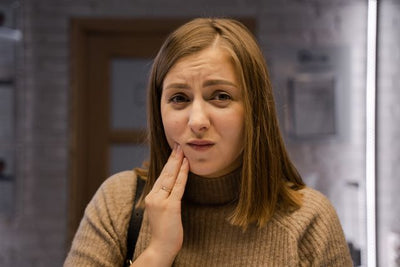
The pain from TMJ disorder is characteristically felt as jaw soreness, a clicking or popping sound when opening or closing the mouth, difficulty chewing, a jaw that feels locked or limited in range, earache without any ear infection, and headaches that are often concentrated at the temples.

How a Night Guard Helps with TMJ

A night guard works on TMJ disorder through two primary mechanisms.

The first is muscle deactivation. When the jaw rests against a flat, rigid surface during sleep, the jaw muscles receive a consistent signal that there is no need to engage. This allows the muscles, which in TMJ sufferers are often chronically tense from clenching patterns, to relax over the course of the night. Reduced muscle tension means less compressive force on the joint, which is the direct source of much TMJ pain.

The second mechanism is jaw repositioning. A well-fitted night guard can hold the jaw in a slightly more open and forward position that reduces the load on the back of the joint. This is particularly relevant for people whose TMJ pain is associated with a specific joint position that occurs when the teeth are fully together.

Together, these two effects can meaningfully reduce the pain, stiffness, and clicking that characterize TMJ disorder.

Which Type of Night Guard Is Best for TMJ?

Hard night guards are the most commonly recommended type for TMJ disorder. The rigid acrylic surface maintains a consistent, flat platform that the jaw rests against throughout the night, which is essential for the repositioning benefit. A surface that compresses or shifts with jaw movement cannot reliably maintain the intended jaw position.

Soft night guards, while comfortable, can be counterproductive for TMJ. The compressible material can trigger increased jaw muscle activity rather than reduced activity, which is the opposite of what TMJ treatment requires.

Dual-laminate night guards, with a soft inner surface for comfort and a hard outer surface for structural stability, represent a practical middle ground. They provide the jaw-positioning stability of a hard guard while being considerably easier to adjust to. For people who have tried a hard guard and found the adjustment too difficult, dual-laminate is the recommended next step.

The guard should cover a full arch rather than being a partial coverage device, and the biting surface should be flat to allow the jaw to find its own neutral rather than locking into a fixed position.

Custom vs Over-the-Counter for TMJ

For TMJ disorder, the quality of fit is more critical than it is for simple tooth protection. Jaw positioning is the goal, and that positioning depends on a guard that sits evenly and stably on all the relevant teeth.

An over-the-counter boil-and-bite guard produces an approximate fit that will shift and compress during sleep. Inconsistent jaw positioning across the night does not produce the sustained decompression of the joint that TMJ treatment requires, and in some cases an uneven guard can create differential pressure that irritates the joint further.

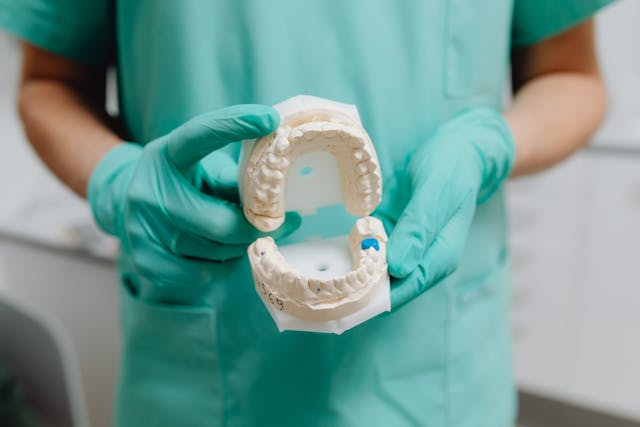
A custom guard fabricated from a precise impression of your teeth ensures even, stable contact across the full arch. This is the standard of care recommended for TMJ in a dental office setting, and it is accessible online at a significantly lower price point.

What to Realistically Expect

The first one to two weeks with a night guard for TMJ typically involve an adjustment period. Some people experience mild jaw soreness as the muscles begin adapting to a different resting position. This is expected and generally resolves within one to two weeks. If soreness is significant or does not improve, the fit should be reassessed.

Most people who use a night guard consistently for TMJ-related pain begin noticing improvement within four to six weeks. Morning jaw pain and stiffness often improve first, followed by a reduction in headaches, a decrease in clicking sounds, and improved ability to open the mouth without discomfort.

Consistency is the most important variable. Wearing the guard several nights per week rather than every night will produce slower and less complete results. The cumulative effect of nightly joint decompression is what drives improvement.

When to Seek Additional Help

A night guard is highly effective for TMJ disorder where muscle tension and habitual clenching or grinding are the primary drivers. For cases involving structural damage to the joint, such as a displaced disc, significant arthritic changes, or a jaw that locks and cannot open beyond a limited range, a night guard alone will not be sufficient.

In these situations, additional interventions such as physical therapy targeting the jaw and neck muscles, anti-inflammatory treatment, specialist consultation, or in rare cases surgical options may be needed alongside or instead of a night guard.

If you have been dealing with significant TMJ symptoms for more than a few weeks, a consultation with a dental professional who specializes in TMJ or an orofacial pain specialist is a worthwhile step to ensure you have an accurate understanding of what you are dealing with.

Other Habits That Support TMJ Recovery

A night guard addresses what happens during sleep, but daytime habits also significantly affect TMJ health.

Being aware of clenching during the day is one of the most impactful changes a TMJ sufferer can make. Many people clench at a low level during concentration, stress, or physical exertion without realizing it. A simple reminder, such as a note near a computer screen or a recurring phone alert, can build the habit of checking and releasing jaw tension throughout the day.

Soft food choices during flare-ups reduce the load on the joint. Avoiding hard, chewy, or large foods that require wide mouth opening or sustained chewing gives the joint and surrounding muscles time to recover.

Stress management plays a meaningful role, since psychological stress is one of the strongest drivers of jaw muscle tension. Any practice that consistently reduces stress tends to correlate with reduced TMJ symptoms over time.

A night guard combined with daytime awareness and appropriate lifestyle adjustments produces the most consistent and durable results for managing TMJ pain.

SEO Details

Article Code P6-Support
SEO Title Using a Night Guard for TMJ: What to Know Before You Start
Meta Description A night guard can be one of the most effective tools for managing TMJ pain. Here is everything you need to know before choosing one.
Blog Handle /blogs/dental-health/
URL Slug p6-night-guard-for-tmj

Ready to Stop Grinding Your Teeth?

Get a lab-grade custom night guard delivered to your door in 10-14 days. Starting from $99 with free shipping both ways and a 30-day guarantee.

Order Your Custom Guard From $99
🦷

DentalNightGuard.com Dental Health Team

Dental Health Expert · 14+ Years Experience

DentalNightGuard.com was founded by a dental health professional with over 16 years of clinical experience. Every article is written and reviewed for accuracy by our dental team to ensure our customers have access to reliable, clinically sound information about bruxism, night guards, and dental health.