Dental Health Guide

TMJ vs Bruxism: What Is the Difference
🦷
DentalNightGuard.com Dental Team
Dental Health Expert · 16 Years Experience
📅 May 30, 2026 ⏱ 5 min read
TMJ vs Bruxism: What Is the Difference
C07 DentalNightGuard.com Month 2 Blog Content Blog handle: /blogs/dental-health/

TMJ vs Bruxism: What Is the Difference

TMJ disorder and bruxism are often mentioned in the same breath, and for good reason. Both affect the jaw, both cause pain, and both can disrupt sleep. But they are not the same condition. Treating one while misunderstanding the other can keep you stuck in a cycle of discomfort with no real improvement.

This article explains exactly what each condition is, where they differ, how they overlap, and what to do if you suspect you are dealing with one or both.

What Is Bruxism?

Bruxism is the clinical term for teeth grinding or jaw clenching. It can happen during waking hours, but nighttime bruxism, also called sleep bruxism, is the most common and usually the most damaging form because it occurs without conscious awareness.

Most people with bruxism do not know they have it. The evidence tends to appear indirectly: worn or flattened tooth enamel, a sore jaw upon waking, tension headaches that appear right after getting up, or a partner who mentions hearing grinding sounds through the night.

Sleep bruxism is classified as a sleep-related movement disorder, placing it alongside conditions like restless leg syndrome. Known contributing factors include stress, anxiety, elevated caffeine intake, sleep apnea, and in some cases certain medications including antidepressants and stimulants.

What Is TMJ Disorder?

TMJ stands for temporomandibular joint, the hinged joint that connects the lower jaw to the skull on each side of the face, just in front of the ears. These joints make it possible to open and close the mouth, chew, speak, and yawn.

TMJ disorder, commonly abbreviated as TMD, is an umbrella term for a range of conditions that cause pain or dysfunction in these joints and the surrounding muscles. It is not a single disease but a collection of related problems that can develop from several different causes.

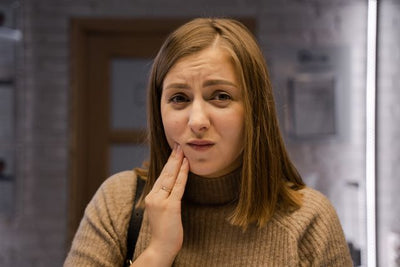
Symptoms include jaw pain or tenderness, a clicking or popping sensation when opening or closing the mouth, difficulty chewing, a jaw that locks or feels stiff, and pain that spreads into the ear, face, neck, or temples.

How Are They Different?

The core distinction lies in origin. Bruxism is a behavior, a pattern of muscle activity. TMJ disorder is a structural or functional problem with the joint itself.

A simple way to think about it: bruxism is the action, and TMJ disorder is often the consequence. The repeated force of grinding or clenching places significant strain on the temporomandibular joint over time. That strain can erode the cartilage inside the joint, inflame the surrounding muscles, and lead to the pain and mechanical problems that define TMD.

However, TMJ disorder can also exist entirely independently of bruxism. A jaw injury, arthritis, bite misalignment, or chronic posture-related strain can all cause TMD without any grinding involved.

How Are They Related?

The relationship between bruxism and TMJ disorder is well documented. Research consistently shows that people with sleep bruxism are significantly more likely to develop TMJ pain. The reverse is equally common: people with established TMJ disorder frequently develop clenching or grinding habits, often as an unconscious response to jaw discomfort.

This creates a feedback loop. Grinding strains the joint. Joint pain increases tension in the jaw muscles. That tension drives more grinding. Breaking the cycle often means addressing both conditions at the same time.

Can You Have Both at the Same Time?

Yes, and many people do. It is common to have a TMJ disorder that has been triggered or progressively worsened by years of untreated bruxism. Determining which came first can be difficult, and treatment often focuses on managing both together.

A custom night guard is one of the most widely recommended starting points for this reason. It creates a barrier that prevents direct tooth-to-tooth grinding while also repositioning the jaw into a more neutral resting position, which reduces the load on the temporomandibular joint throughout the night.

Key Symptoms at a Glance

Bruxism symptoms to watch for include flattened or worn teeth, chipped enamel, increased tooth sensitivity, jaw soreness in the morning, tension headaches upon waking, and disrupted sleep.

TMJ disorder symptoms include jaw pain or tenderness, clicking or popping sounds when moving the jaw, difficulty opening or closing the mouth fully, ear pain or a sense of pressure near the ear, aching in the face, and neck or shoulder tension.

Several symptoms overlap between both conditions, particularly headaches, jaw soreness, and sleep disruption. This is why a professional evaluation is the most reliable path to an accurate diagnosis.

What to Do If You Suspect Either Condition

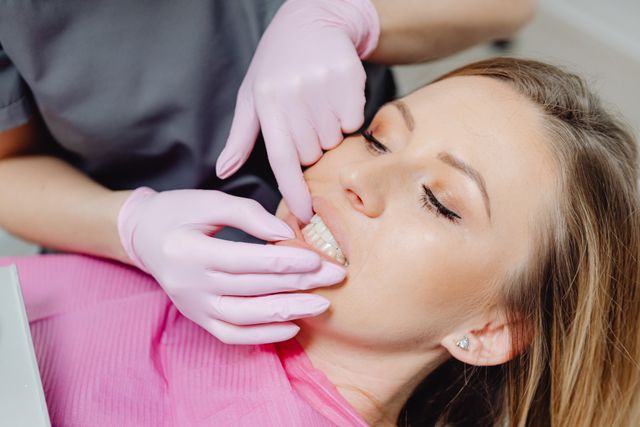
If you regularly wake up with a sore jaw, notice wear on your teeth, or experience clicking or pain when chewing, a visit to a dental professional is a worthwhile step. A dentist can examine the wear patterns on your teeth, assess the jaw joint, and determine whether bruxism, TMJ disorder, or both are present.

For many people, a custom-fit night guard is the most practical first intervention. It is non-invasive, accessible, and effective for both conditions. Most people who use one consistently report meaningful improvement in jaw pain and morning soreness within four to six weeks.

SEO Details

Article Code C07
SEO Title TMJ vs Bruxism: What Is the Difference | Dental Night Guard
Meta Description TMJ disorder and bruxism are often confused. Learn what sets them apart, how they overlap, and what you can do to find relief.
Blog Handle /blogs/dental-health/
URL Slug c07-tmj-vs-bruxism

Ready to Stop Grinding Your Teeth?

Get a lab-grade custom night guard delivered to your door in 10-14 days. Starting from $99 with free shipping both ways and a 30-day guarantee.

Order Your Custom Guard From $99
🦷

DentalNightGuard.com Dental Health Team

Dental Health Expert · 14+ Years Experience

DentalNightGuard.com was founded by a dental health professional with over 16 years of clinical experience. Every article is written and reviewed for accuracy by our dental team to ensure our customers have access to reliable, clinically sound information about bruxism, night guards, and dental health.