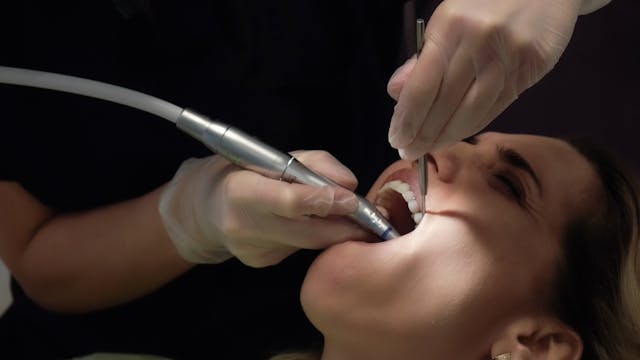
Does Insurance Cover Night Guards
Night guards are one of the most effective tools for managing teeth grinding and jaw clenching, but the cost can give people pause. A fair question to ask before purchasing is whether insurance will cover any part of it.
The honest answer is: sometimes, and it depends on several factors including your specific plan, the reason the guard is being prescribed, and whether you are dealing with a dental or a medical insurance provider.
When Dental Insurance May Cover a Night Guard
Most dental insurance plans classify night guards under the clinical term occlusal guards or occlusal splints. Whether and how much they cover depends on the structure of your individual plan.
Some dental plans include night guards under the major restorative category, which typically means a percentage of the cost, often around 50 percent, is covered after the annual deductible is met. Other plans exclude them entirely, categorizing night guards as elective or non-essential devices.
Before assuming anything, call your dental insurance provider directly and ask two specific questions. First, does the plan cover occlusal guards or night guards? Second, what documentation is required to submit a claim? The most common requirements are a dentist's written prescription and a formal diagnosis of bruxism or a related condition.
When Medical Insurance May Help
If your night guard is being recommended primarily for TMJ disorder rather than for bruxism, there is a stronger argument for claiming it under medical insurance. TMJ disorder is classified as a medical condition in many insurance frameworks, not a dental one.
Some medical plans, including PPO and HMO health insurance plans, do cover oral appliances prescribed for TMJ, though the requirements are usually more stringent than dental coverage. A formal diagnosis from a physician or specialist, documented symptoms, and in some cases evidence that conservative treatments have already been tried may all be required before a claim is approved.
It is worth checking both your dental and medical coverage before purchasing, particularly if TMJ pain is part of your situation.
Custom Guards vs Over-the-Counter and Insurance
Insurance reimbursement for night guards almost universally requires a custom appliance made by or through a licensed dental provider. Pharmacy boil-and-bite guards are consumer products, not prescribed medical devices, and are not eligible for insurance reimbursement under most plans.
Custom night guards ordered through a qualified provider, whether a dental practice or a certified online service, are far more likely to qualify for a claim, particularly when accompanied by a dentist's prescription or letter of medical necessity.
How to File a Claim
If you want to pursue insurance coverage for a night guard, the process typically involves the following steps. Obtain a formal diagnosis of bruxism or TMJ disorder from a licensed dental or medical professional. Ask them to provide a written prescription or letter of medical necessity. Submit the claim to your insurance provider along with the prescription, an itemized receipt or invoice from the guard supplier, and any claim form your provider requires. Keep all documentation in case of a query or appeal.
Be prepared for partial reimbursement rather than full coverage even if the claim is approved. Co-pays, deductibles, and annual maximums all apply and reduce the net reimbursement.
Using an FSA or HSA
If your insurance does not cover night guards or only covers a portion, a Flexible Spending Account or Health Savings Account offers a practical alternative. Night guards qualify as an eligible medical expense under IRS guidelines, which means you can use pre-tax dollars from an FSA or HSA to purchase one.
The effective saving depends on your marginal tax rate, but for most people this represents a 20 to 35 percent discount on the cost. If you have FSA funds approaching the end of the year that need to be spent, a night guard is a legitimate and useful way to use them.
What Is the Cost Without Insurance?
A custom night guard at a dental office typically costs between $300 and $800, and higher in some practices. Custom night guards ordered online, which use the same professional-grade dental materials and lab fabrication processes, are available at considerably lower price points, generally in the $100 to $200 range.
The price difference reflects the elimination of dental office overhead rather than any difference in the quality of the guard. Many online providers use certified dental labs and the same impression-based process that dental practices use.
Is a Night Guard Worth It Even Without Coverage?
Consider the cost of untreated grinding. Replacing a single dental crown can cost between $1,000 and $1,500. Veneers run higher. Treating advanced TMJ disorder can involve years of specialist visits, imaging, and therapy. A night guard at $100 to $200 is straightforward prevention, and the math is favorable even without a cent of insurance contribution.
The cost of treating the damage caused by bruxism almost always far exceeds the cost of the guard that prevents it.